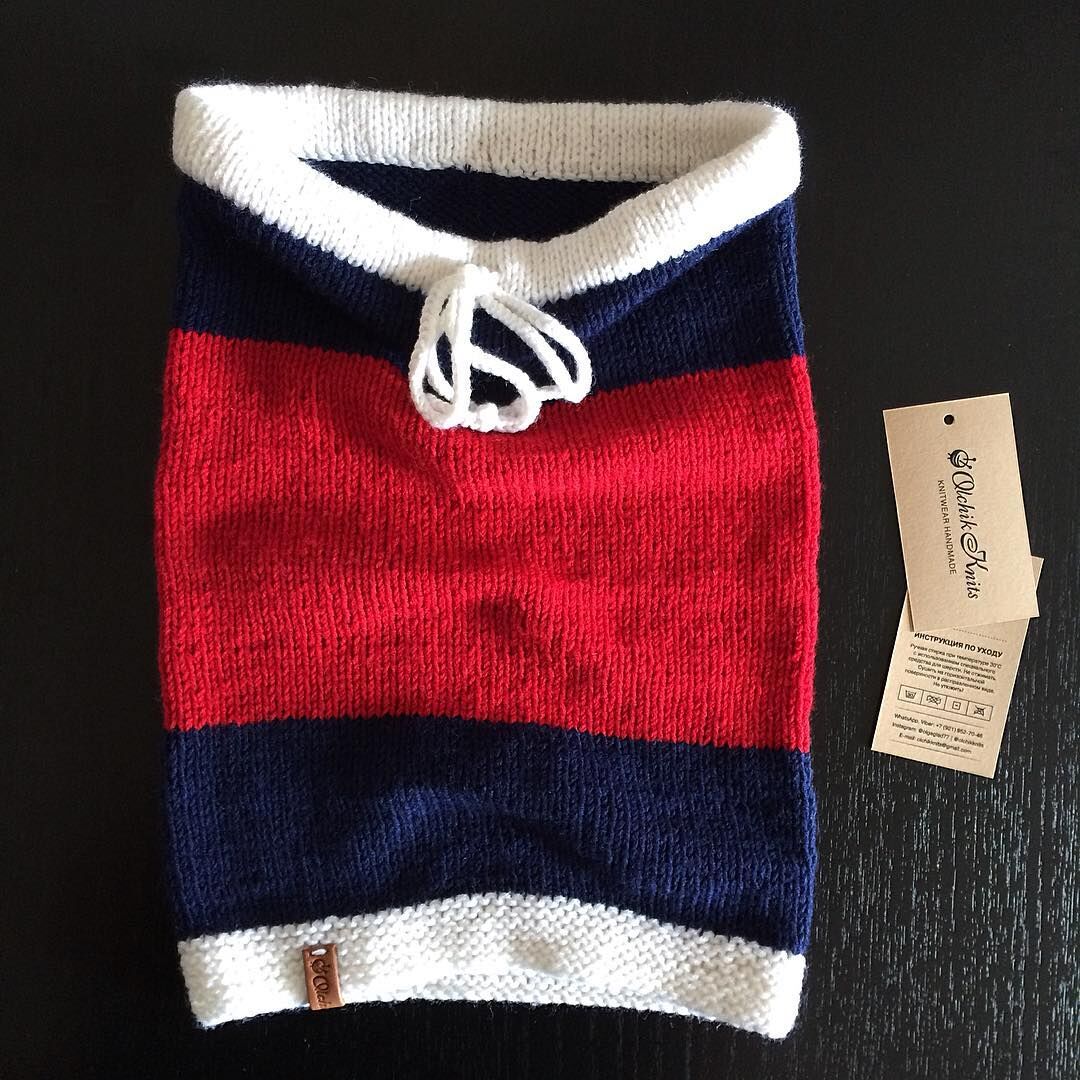
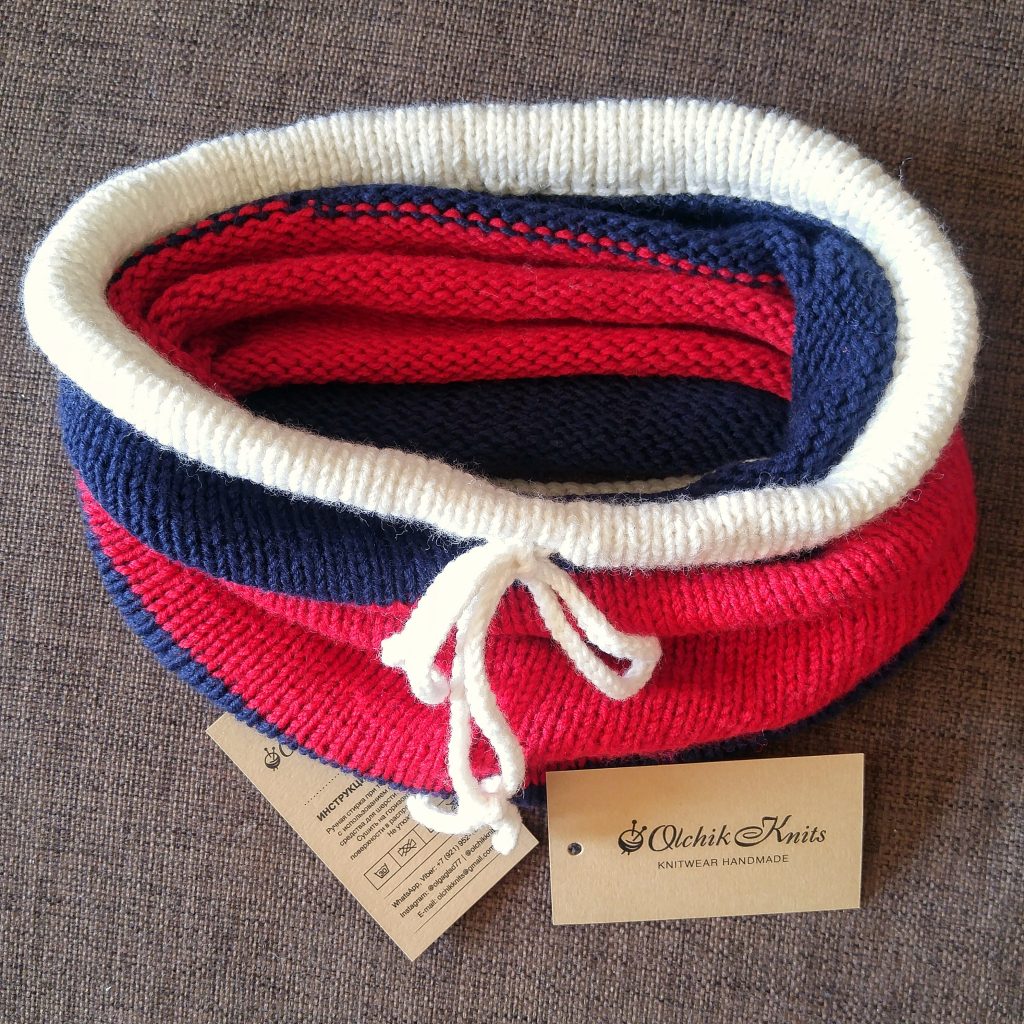
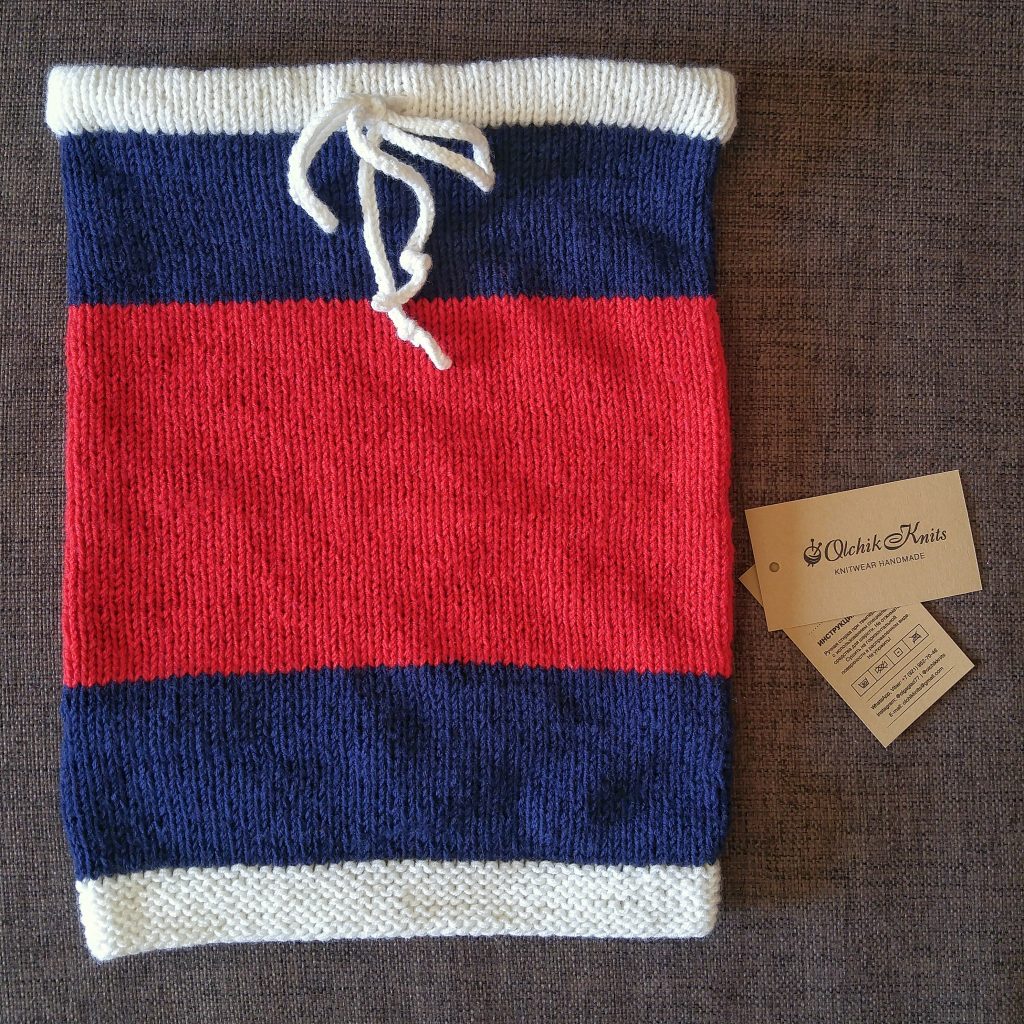
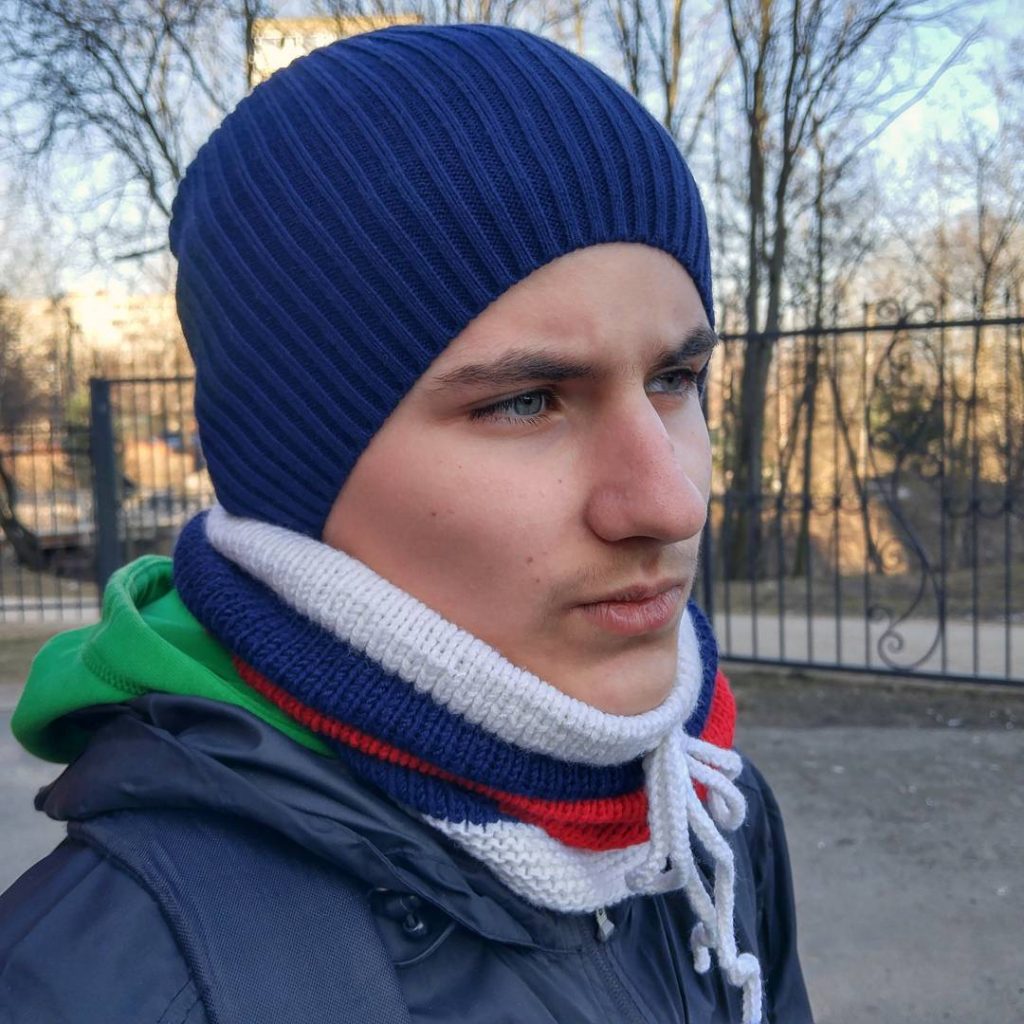
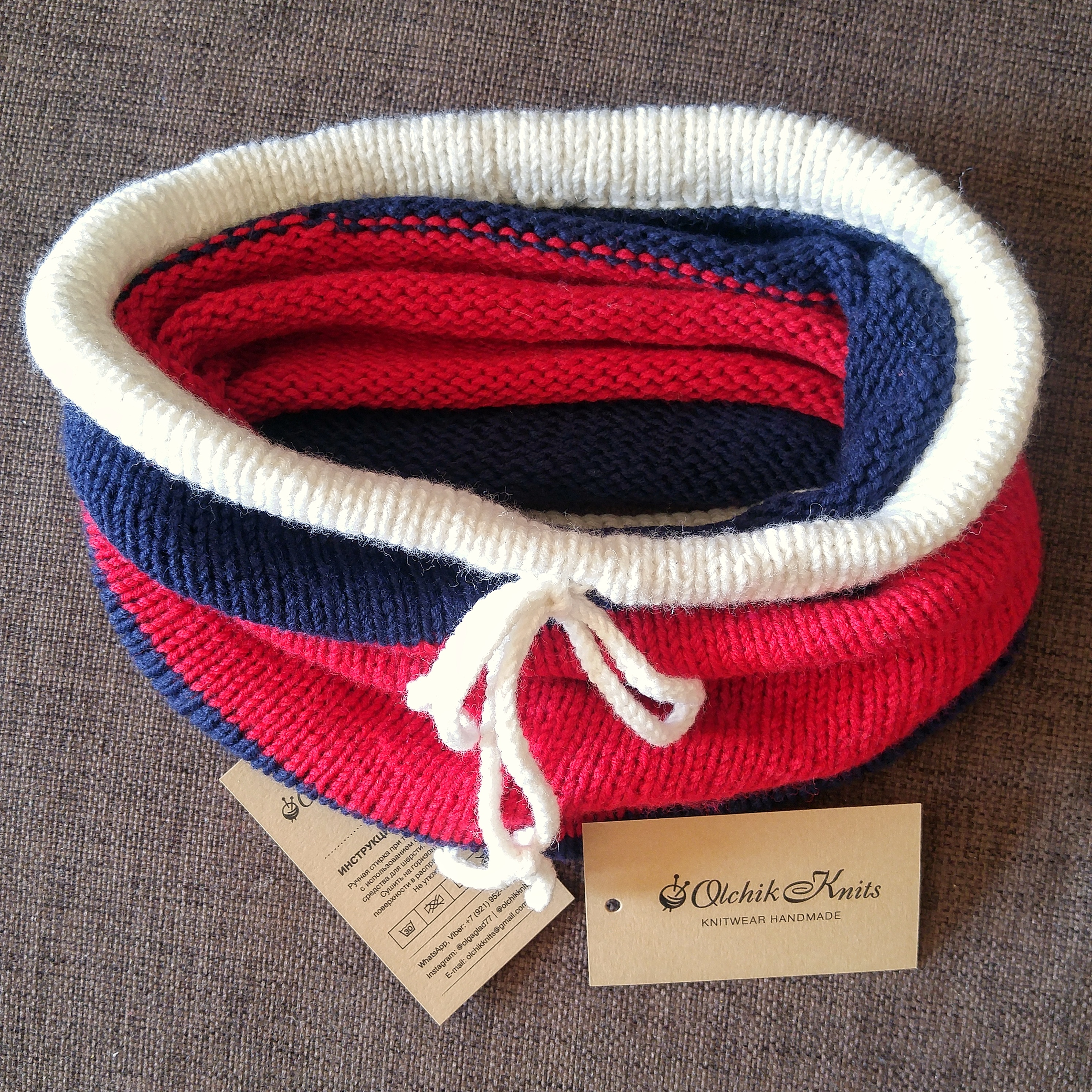
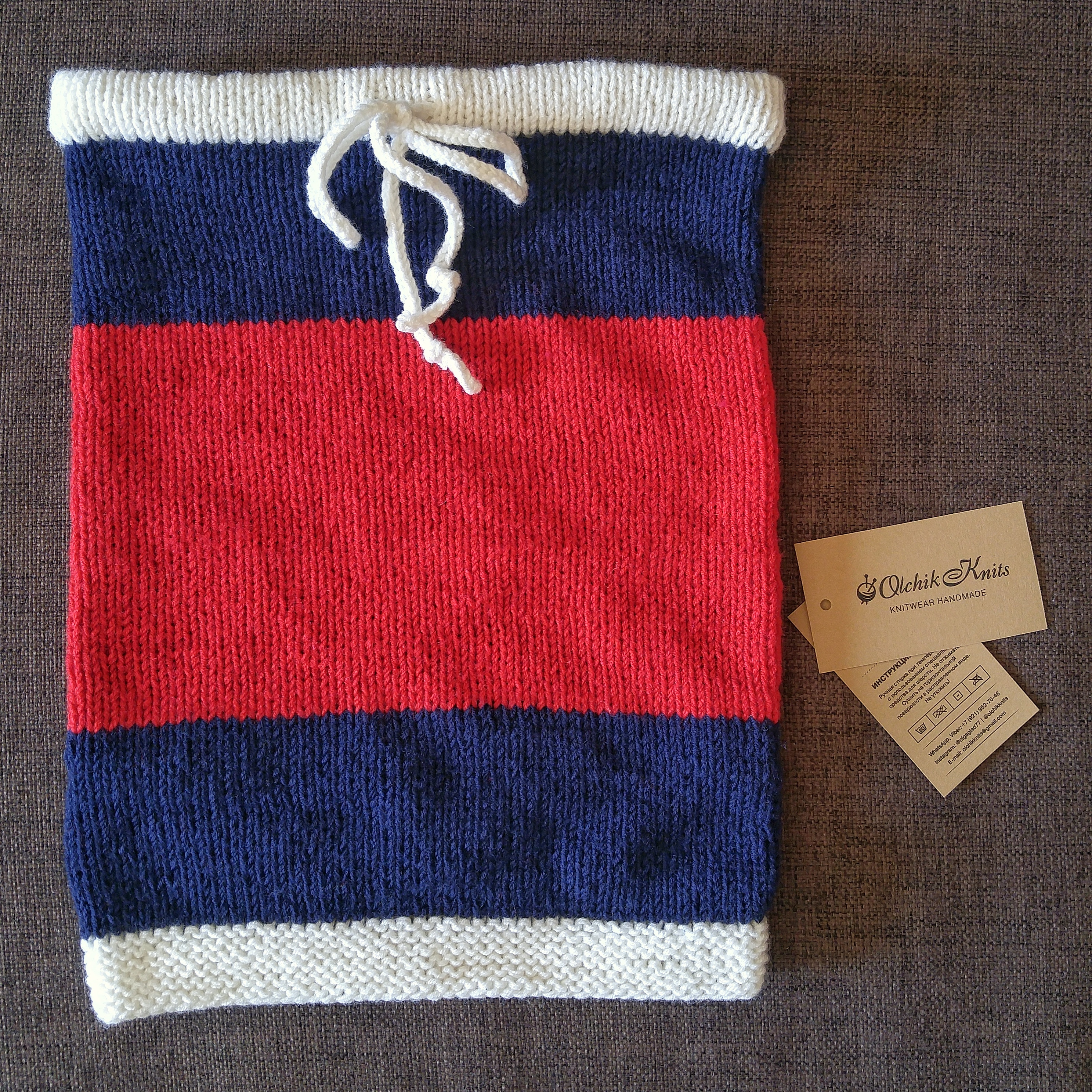
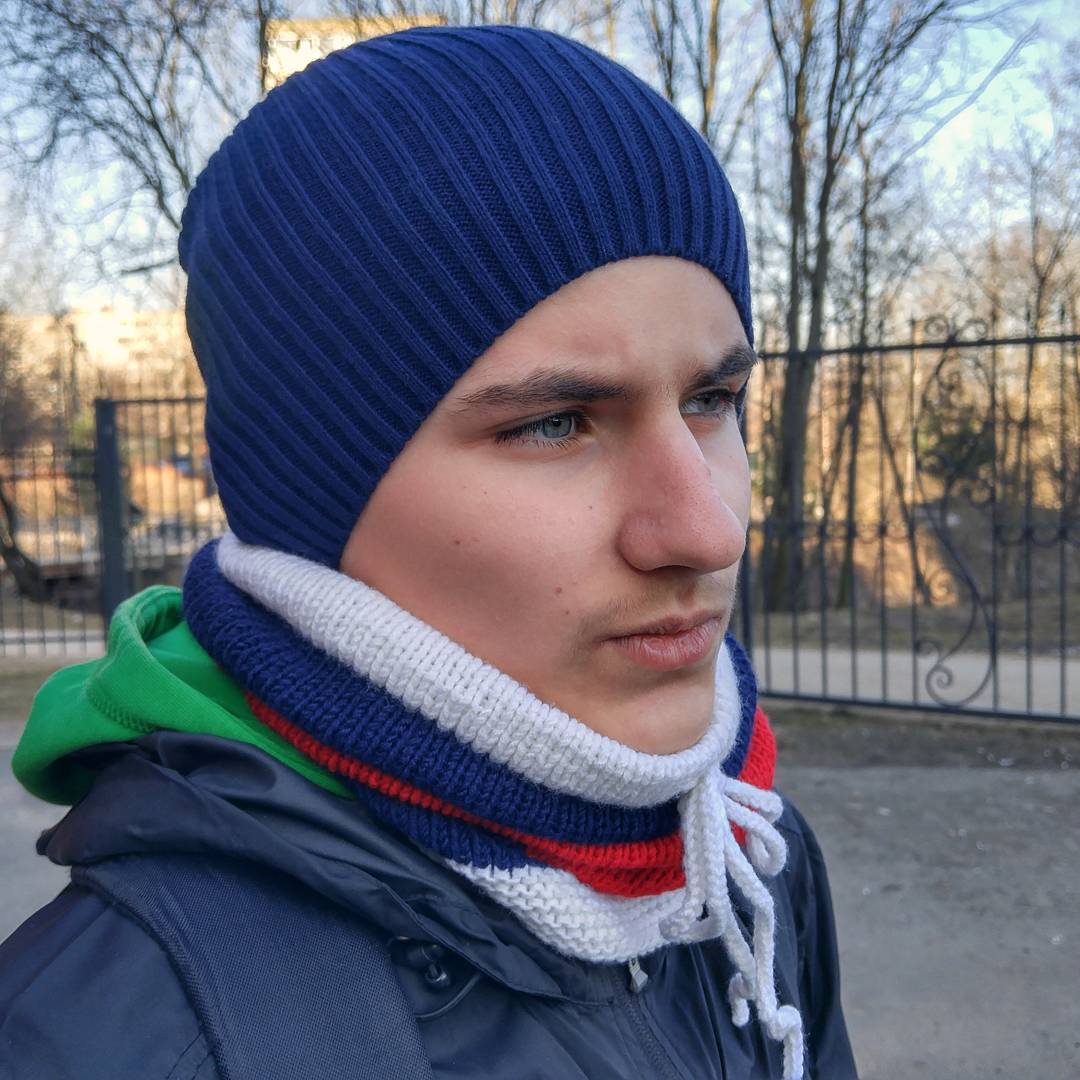
Необычный вязаный снуд с завязками по одной из сторон – практичная и выделяющаяся деталь для современных модников, неприемлющих холод. 💖
Представленный снуд связан из комбинированной пряжи, в состав которой входят шерсть, вискоза и акрил. За счёт этого он не жаркий, не колкий и приятен к телу.
Разумеется снуд можно заказать в любых других цветах и из другой пряжи, если у вас аллергия, например, или хочется вязанную вещь потеплее.
Такой вязаный снуд станет тёплым аксессуаром во время весенних и осенних заморозков, и в тоже время будет достаточно комфортным в зимние морозы.
Заказать вязанный снуд с завязками
Если вы хотите купить вязаный снуд, как на фотографии, или мечтаете заказать уникальный снуд по своему желанию, пожалуйста, обращайтесь.
С удовольствием свяжу практичный снуд с завязками индивидуально для вас.
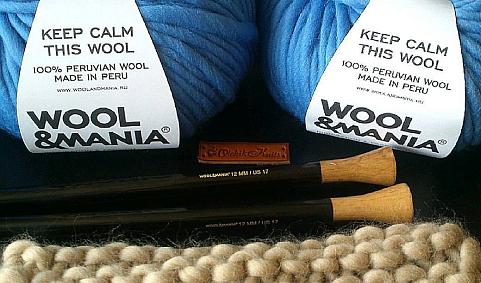
У меня достаточно опыта с пряжей различных фирм и составов. И теперь я использую что-то из своего удачного опыта.
Из другой пряжи я тоже вяжу, конечно. Но цена создания вещи может измениться, если в работе пряжа окажется “кака” и отнимет много времени на изучение её особенностей (да-да, не всё так просто бывает с верёвочками 😉 ).
Стоимость складывается из двух составляющих: цены пряжи и оплаты моего труда. Стоимость создания вязаного снуда с завязками, как на фото, фиксирована – 1500₽. Она неизменна.
А вот пряжа, подходящая именно вам по цвету, составу, цене и срокам поставки будет влиять на конечную стоимость изделия.
Например, повторение снуда из шерсти мериноса увеличит стоимость снуда. При этом моя ставка за его создание не изменится – свяжу я его вам за всё теже 1500₽.
Для жителей Петербурга доставка бесплатна (в пределах КАД). Возможен самовывоз. В регионы отправляю почтой или транспортными компаниями по договорённости, как вам удобнее. Стоимость отправления оплачивает заказчик.
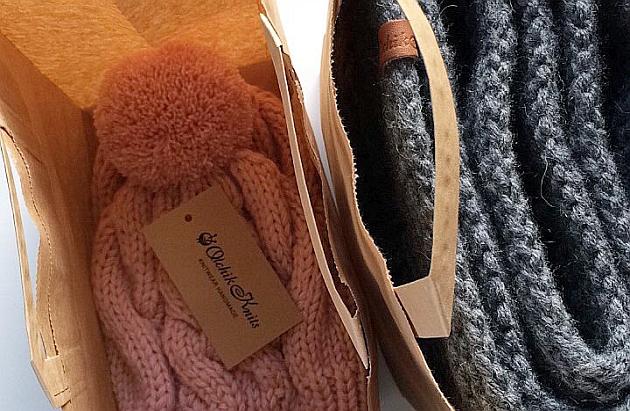
Да, свой вязаный комплект вы получите в приятном крафтовом пакете с небольшим комплиментом от Мастера внутри. 🙂